Sunday, June 15, 2014

The Battle of Saltville


The Battle of Saltville was a minor battle that occurred during the Civil War. It took place at the saltworks at Saltville, Virginia. There were two battles, but this post will deal with the first one, that took place from October 1st-3rd 1864. The armies from both sides were made up of regular troops, homeguards, and guerrilla troops. There was also a black cavalry regiment. The Confederate forces were led by George Dibrell, and the Union forces were led by Stephen Burbridge. The goal of this battle was to take control of the saltworks. The battle is most famous for what took place afterwards. After the battle Champ Ferguson disobeyed the orders of George Dibrell, and went on a killing spree. Dibrell was actually reprimanded for Ferguson's actions. He killed over 100 black Union troops who were lying wounded on the battlefield. Ferguson cut up the bodies of the soldiers who were laying dead on the battlefield. By the time he was finished many could not be identified. This would become known as the Saltville Massacre. It was a truly horrific event. Many historians believe that this helped to seal Ferguson's fate. The Battle of Saltville, even though it is considered a "minor battle," is important to our understanding of the Civil War.

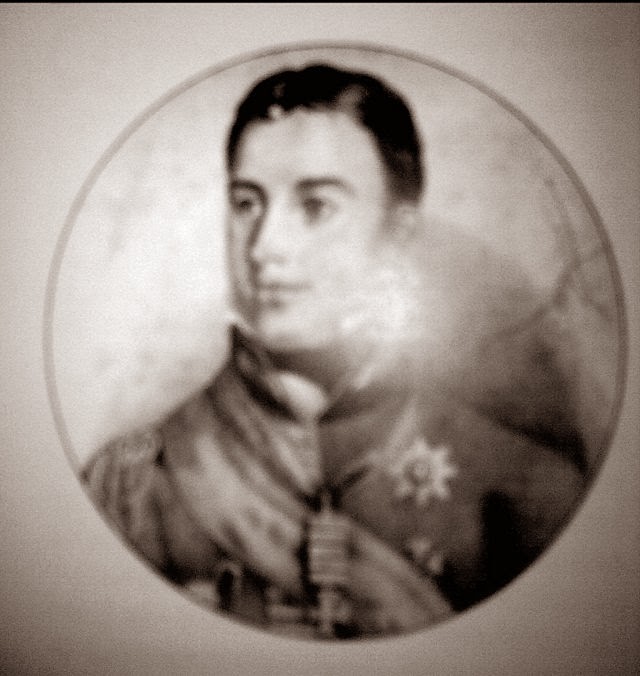
Above is a picture of Gen. George Dibrell

Above is a picture of Champ Ferguson

Above is a picture of Gen. Stephen Burbridge

For more information on the Battle of Saltville, I suggest that you check out the book Cumberland Blood by Thomas Mays. Mays gives a very detailed account of the Battle of Saltville.

Since the Battle of Saltville is considered a "minor battle," it does not have a page on the Civil War Trust website.

Stay tuned for more blog posts about tales from Tennessee and beyond.

Thursday, June 12, 2014

William B. Stokes


William B. Stokes was a prominent attorney, politician, and colonel from Temperance Hall, Tennessee. He served in the Tennessee House of Representatives and the Tennessee State Senate. Upon the outbreak of the Civil War he was placed in command of the 5th Tennessee Cavalry. Stokes worked closely with Governor Andrew Johnson to rid the state of Tennessee of guerrilla warfare. He and his men's biggest goal was to capture or kill the notorious Champ Ferguson. Stokes also allied with Tinker Dave Beaty in an effort to capture or kill Ferguson. Many historians believe that Beaty fought along side Stokes at the Battle of Dug Hill. The Battle of Dug Hill, or Battle of the Calfkiller hurt the military reputation of Stokes. Colonel Stokes lost most of his men in the battle, as they were defeated by the Confederate forces led by General George Dibrell and Champ Ferguson. Stokes and his 5th Tennessee also fought at the Battle of Stones River. After the war ended Stokes lived the rest of his life as an attorney in Alexandria, Tennessee. He was also reelected to the Tennessee House of Representatives. Stokes died on March 14, 1897. He is buried in the East View Cemetery in Alexandria.

For more information about Stokes, check out any of the books written about Champ Ferguson.

Stay tuned for more blog posts about tales from Tennessee and beyond.

Tuesday, June 10, 2014

The Battle of Shiloh


The Battle of Shiloh was fought on April 6, 1862. Fighting ended on April 7th. The battle is also known as the Battle of Pittsburg Landing. The Battle of Shiloh was a decisive battle in the Civil War. The goal was to be able to control the Tennessee and Mississippi Rivers. The Union Army led by Ulysses S. Grant had defeated the Confederate forces at Forts Henry and Donelson. They had also been able to seize Nashville. Their goal was to move into the heart of the Confederacy. They eventually reached Shiloh Church in Hardin County. The Confederate army, led by P.G.T Beauregard were already there. The Union army was unaware of this. They set up camp at Shiloh Church. On April 6th the Confederate forces were ready to fight and fought beautifully. They were able to completely surprise the Union army. They launched an all out assault on Grant's forces from Purdy, Tennessee. One thing that hurt the Confederate army was the strategy they used. Many historians believed that their strategy was confusing to many of the soldiers. The all out assault worked however as many of Grant's men retreated to the Tennessee River. The Confederate army suffered a blow however as Lew Wallace managed to lose his entire army at Crump's Landing. As night fell on the first day of the battle the Confederates thought that they had won. They sent a telegram to President Jefferson Davis telling him of their victory. The next day was a different story for both sides. The Union army combined their forces, and they were now had around 45,000 men and they outnumbered the Confederates. Beauregard was unaware of this, and thought he could continue his attack and force Grant to retreat to the river. The fighting became very intense, and Beauregard was forced to retreat back to Shiloh Church. He had lost around 10,000 men during the fighting. He was forced to surrender to Grant. The Union had won the first major battle in Confederate territory. Many historians believe that if Beauregard had been able to recoup his losses from the first day of the battle, then he would have won. Not all of Beauregard's losses were due to death, he also suffered from desertions. Many of these deserters went and joined small guerrilla bands, like Champ Ferguson's. The state of Tennessee was now under complete Union control. The Union army now had a clear path to the heart of the Confederacy. The Battle of Shiloh will be forever known as "Bloody Shiloh," due to the number of casualties suffered by both sides.

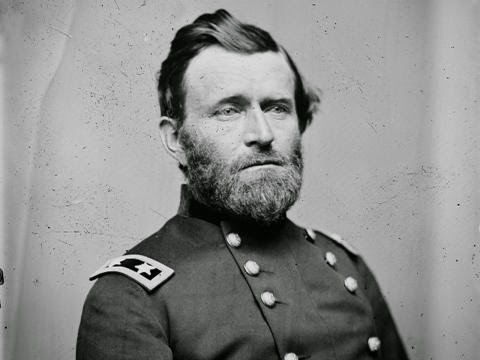
Above is a picture of Gen. Ulysses S. Grant

Above is a picture of Gen. P.G.T. Beauregard

Above is a picture of the Shiloh Church as it appears today.

Here is the link to the Battle of Shiloh on the Civil War Trust website: http://www.civilwar.org/battlefields/shiloh.html

Stay tuned for more blog posts about tales from Tennessee and beyond.

Saturday, June 7, 2014

The Battle of New Orleans


The Battle of New Orleans was the final battle of the War of 1812. It occurred on January 8, 1815. The leader of the U.S. forces was Andrew Jackson. The British were led by Edward Pakenham. The battle happened after the Treaty of Ghent had been signed. The treaty was supposed to have ended the war, but that was not the case. The war would continue until around mid-Feburary. The Battle of New Orleans was part of the Louisiana Campaign. This battle, unlike the Civil War battles was fought primarily on the water. The plan was to have a two pronged assault on Jackson's position. Colonel William Thornton was ordered to go up river and attack the batteries that were commanded by Commodore Daniel Patterson. They thought if Patterson's line was open, then the British forces could get to Jackson. This plan looked good on paper, but it did not work out the way that the British had hoped. On the morning of January 8th, fog filled the air. The fog made it difficult for Thornton to navigate his way up the river to attack Patterson. This delay allowed Jackson to attack and defeat the British Highlanders. By the time Thornton had reached Patterson, the ships were already retreating. The next day the British captured Fort St. Philip. They eventually withdrew their forces on January 18th. The U.S. forces had won. This was considered an upset to many, since the U.S. had been  outnumbered by the British. This victory also allowed the U.S. to protect the land that they had acquired in the Louisiana Purchase. The Battle of New Orleans made Andrew Jackson a hero.

Above is a picture of Andrew Jackson commanding his men as they fight the Highlanders.

Above is Andrew Jackson commanding his men at the Battle of New Orleans.

Above is a picture of Andrew Jackson

Above is a picture of Edward Pakenham

Stay tuned for more blog posts about tales from Tennessee and beyond.
Friday, May 30, 2014

Book on the War of 1812


Yesterday I did my first in a series of blog posts on the War of 1812. I got to thinking that some of my readers might be interested in this work by Donald R. Hickey. The book is entitled The War of 1812: A Forgotten Conflict. Hickey does a really good job outlining the events of the War of 1812. He includes maps of key battles and pictures of key people. I will warn you though, this book is almost like a textbook/reference book. It is perfect however for doing research. I highly recommend anyone who is interested in the War of 1812 to get a copy of this book. It is sold at most bookstores and on Amazon.com. This book like the ones that dealt with the guerrilla war are a must have for any history enthusiast's library.

Stay tuned for more blog posts about tales from Tennessee and beyond.

Thursday, May 29, 2014

The Creek War


The Creek War was a major engagement that occurred within the War of 1812. The war involved the Creek Indians and the U.S. army. Most of the battles took place in the deep south. The leaders of this war were William Weatherford and Andrew Jackson. Weatherford was a key chief in the Creek Nation. Jackson was a Tennessee country boy who had been given command of the Tennessee Militia by Governor William Blount. There were militias from other states as well that fought the Creeks. Jackson and his Tennessee Militia took the lead in this battle however. Jackson's goal was to burn down Creek villages and build roads into the heart of the south. Jackson began his march at Fayetteville, Tennessee. Two of the major skirmishes that Jackson was involved in were at Tallushatee and Talladega. He and his men set up their headquarters at Fort Strother. Jackson eventually marched back up into Tennessee, stopping at Chattanooga and Knoxville along the way. The Creek Indians chose to set up their base along the Chattahoochee River in Georgia. The Creeks were aided by the Shawnee Indians, led by Tecumseh. In the end Andrew Jackson forced the Creeks to sign the Treaty of Fort Jackson. This treaty gave the United States all the land that the Creek Indians owned. The treaty all but set the wheels in motion for Indian Removal. The Creek War made Jackson a U.S. hero. He was now one of the leading generals in the War of 1812. Just a short time later Jackson would defeat the British at the Battle of New Orleans, and would eventually become president of the United States.

Above is a map of the land that was given to the U.S. government by the Creek Indians. Most of the fighting took place in this area.

Above is a picture of Andrew Jackson

Above is a picture of Tecumseh

Above is a picture of William Weatherford


Stay tuned for more blog posts about tales from Tennessee and beyond.

Monday, May 26, 2014

Remembering those who served in the Civil War and War of 1812


On this Memorial Day lets take the opportunity to remember the men who served this country in the Civil War and the War of 1812. These wars are often overlooked by our society today. I hope that the pictures below will take you back to the 19th century during the time of these wars.


I personally have ties to the War of 1812. My relatives, Dennis McCawley and Cornelius Carver both served in the "Forgotten Conflict." Future blog posts will deal with the War of 1812.


I also have personal ties to the Civil War. My relative Samuel Carver was a prisoner of war that served with the Union forces. Upon his release he was granted a Union pension that lasted him all the way up until his death. He used the pension to buy land in Granville, Tennessee where he started a farm, which my grandparents live on to this day.

Stay tuned for more blog posts about tales from Tennessee and beyond.